A garage door is more than just a functional feature; it’s a key element of your home’s curb appeal, security, and energy efficiency. Whether you’re replacing an old door or selecting one for a new build, choosing the right garage door requires careful consideration of style, material, insulation, and functionality.
With so many options available, it can be overwhelming to make the right choice. This guide breaks down the most important factors to help you select a garage door that fits your home’s architecture, lifestyle needs, and budget.
1. Consider Your Home’s Architectural Style
Your garage door should complement, not clash with, your home’s overall design.
Examples:
- Modern Homes: Sleek lines, glass panels, and aluminum frames work best.
- Traditional or Colonial Homes: Raised panel designs in wood or steel.
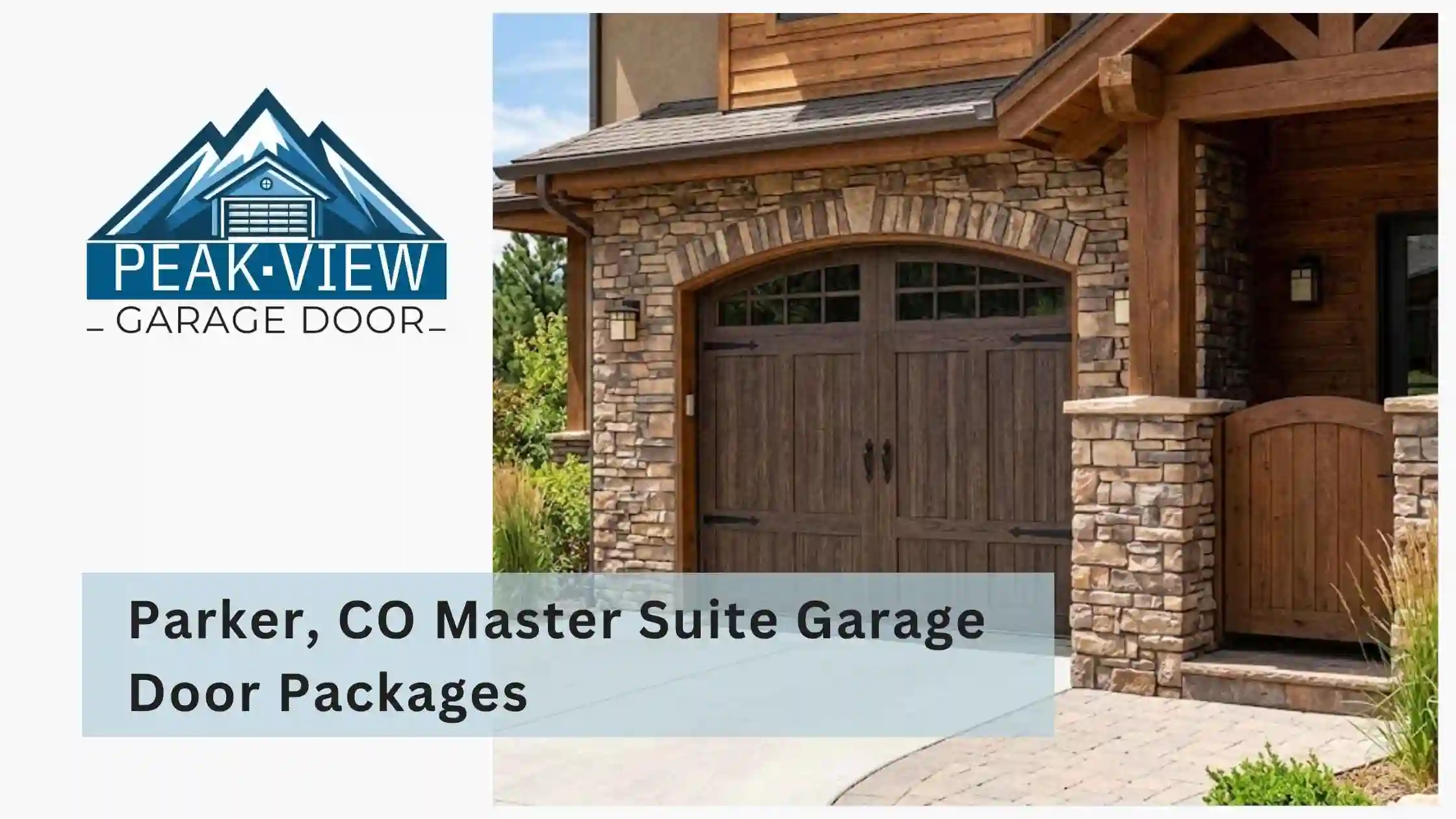
- Craftsman or Farmhouse Styles: Carriage-style doors with decorative hardware.
- Contemporary Homes: Full-view glass or minimalist flush-panel doors.
A well-matched garage door enhances curb appeal and can even increase your home’s resale value.
2. Choose the Right Material
The material you choose affects durability, maintenance, cost, and energy efficiency.
Steel Garage Doors
- Most popular and affordable
- Durable and low-maintenance
- Available in various styles and finishes
- Can be insulated for energy efficiency
Wood Garage Doors
- Offer a warm, classic look
- Can be customized with different woods and finishes
- Require regular maintenance to prevent rot and warping
Aluminum and Glass Garage Doors
- Modern and sleek appearance
- Lightweight and rust-resistant
- Ideal for contemporary homes
- Less energy efficient but highly stylish
Fiberglass or Vinyl Garage Doors
- Resistant to dents, corrosion, and salt air
- Low maintenance
- Limited in style options, but great for coastal areas
3. Decide on Insulation Needs
Insulated garage doors help:
- Reduce noise
- Increase indoor comfort (especially for attached garages)
- Lower heating and cooling bills
Look for doors with a higher R-value (measure of thermal resistance). For example:
- R-6 to R-9 is good for detached garages
- R-12 to R-18 is recommended for attached or climate-sensitive garages
Insulated doors are particularly useful if your garage doubles as a workshop, gym, or laundry area.
4. Pick the Right Style and Color
Style is personal, but some garage door designs can make your home appear more modern, larger, or even more luxurious.
Popular styles include:
- Raised Panel
- Flush Panel
- Carriage House
- Contemporary Glass
Color Tip: Match the garage door color with your home’s trim, front door, or siding for a cohesive look. Many homeowners are also opting for bold, contrasting colors to make a design statement.
5. Think About Security Features
Garage doors are a common point of entry, so security matters.
Look for:
- Rolling code technology changes the access code each time the opener is used
- Smart openers controlled via mobile apps
- Manual locks or deadbolts for added protection
- Reinforced panels or heavy-duty construction materials
Security should never be overlooked, especially for homes with attached garages or valuable items stored inside.
6. Consider Noise Level and Opener Compatibility
If your garage is near bedrooms or living spaces, noise control is important.
- Look for belt-driven openers (quieter than chain-driven)
- Choose nylon rollers over steel for quieter operation
- Well-lubricated and balanced doors reduce noise and wear over time
Make sure your door is compatible with smart garage openers or integrated home systems if tech convenience is a priority.
7. Set Your Budget and Don’t Forget Installation
Garage doors range from a few hundred to several thousand dollars, depending on:
- Size
- Material
- Custom features
- Insulation
- Style
Installation costs are typically extra but important. Professional installation ensures:
- Safety
- Warranty coverage
- Proper function and sealing
Pro Tip: Don’t go for the cheapest option; investing in a quality door now can save you money on repairs, energy bills, and replacements in the long run.
8. Evaluate Warranty and Maintenance Requirements
Check the warranty terms on:
- Door panels
- Insulation
- Finish (especially wood or painted doors)
- Hardware and openers
Some materials, like steel and fiberglass, require little maintenance, while wood doors need routine painting or sealing.
Final Thoughts
Choosing the right garage door is about balancing form and function. The perfect door adds beauty, boosts home value, improves insulation, and enhances security. By considering your home’s style, materials, insulation needs, and budget, you’ll find a garage door that not only looks great but also performs for years to come.
When in doubt, consult a professional garage door contractor who can recommend styles and features suited to your region, lifestyle, and home design.